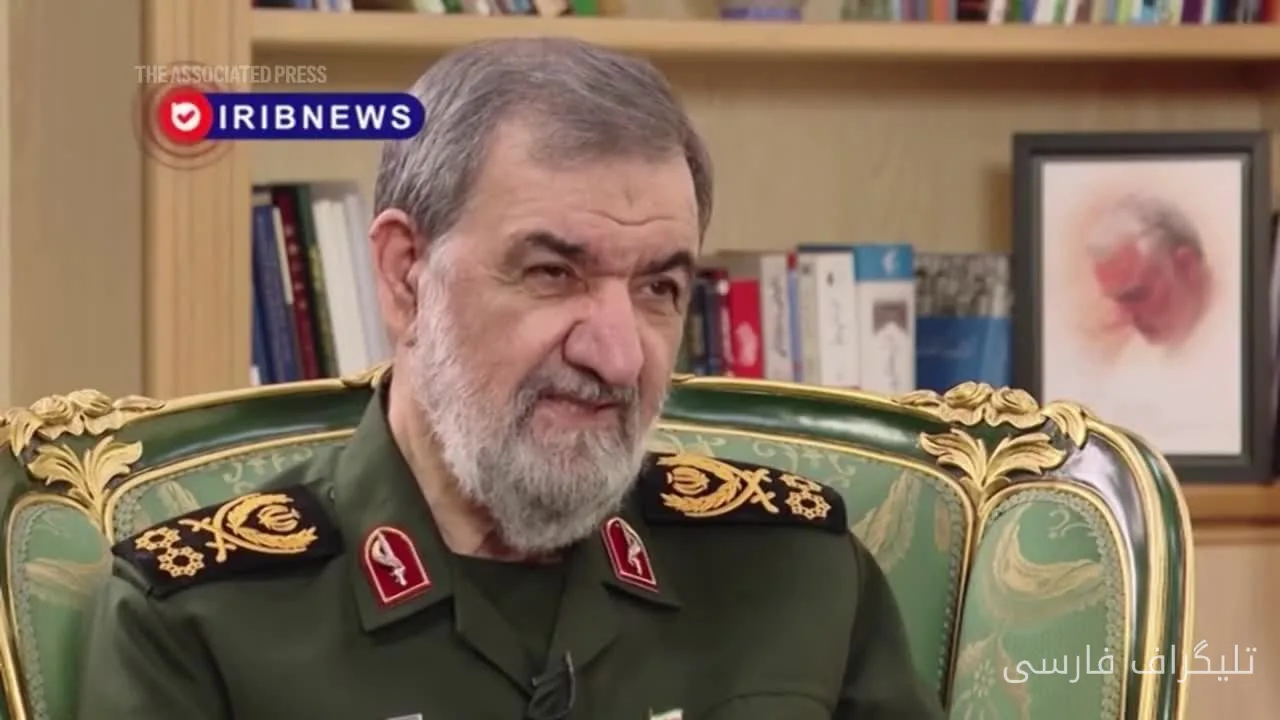
After two decades of silence and lack of serious action, the International Atomic Energy Agency (IAEA) has made a controversial and historic decision to refer Iran's nuclear file to the United Nations Security Council. This action was taken due to the Islamic Republic's non-cooperation in responding to questions regarding undeclared uranium and is considered a serious warning for Tehran.
Why the Referral to the Security Council
It seems that Tehran's disregard for the repeated requests of this international body and lack of transparency in its nuclear activities have led the IAEA to make this tough decision. This is the first time in the past 20 years that such an action has been taken against Iran, and it could have serious consequences for the country.
The United Nations Security Council, by reviewing this file, may impose new sanctions or even strengthen oversight of Iran's nuclear program. The international community is currently concerned that Tehran's lack of transparency could become a threat to global peace and security.
Possible Consequences and Implications
These developments will not only affect Iran's relations with Western countries but could also impact global markets. Given the history of tensions and nuclear crises, there is a possibility of rising oil prices and economic fluctuations this time as well. Any escalation of tensions could lead to a decrease in investments and a reduction in global trust in Iran.
As Iran seeks to improve its economic situation and reduce international pressures, the referral of the nuclear file to the Security Council could pose new challenges for the government and the people. Will Tehran be able to respond to these challenges and prevent an escalation of tensions?