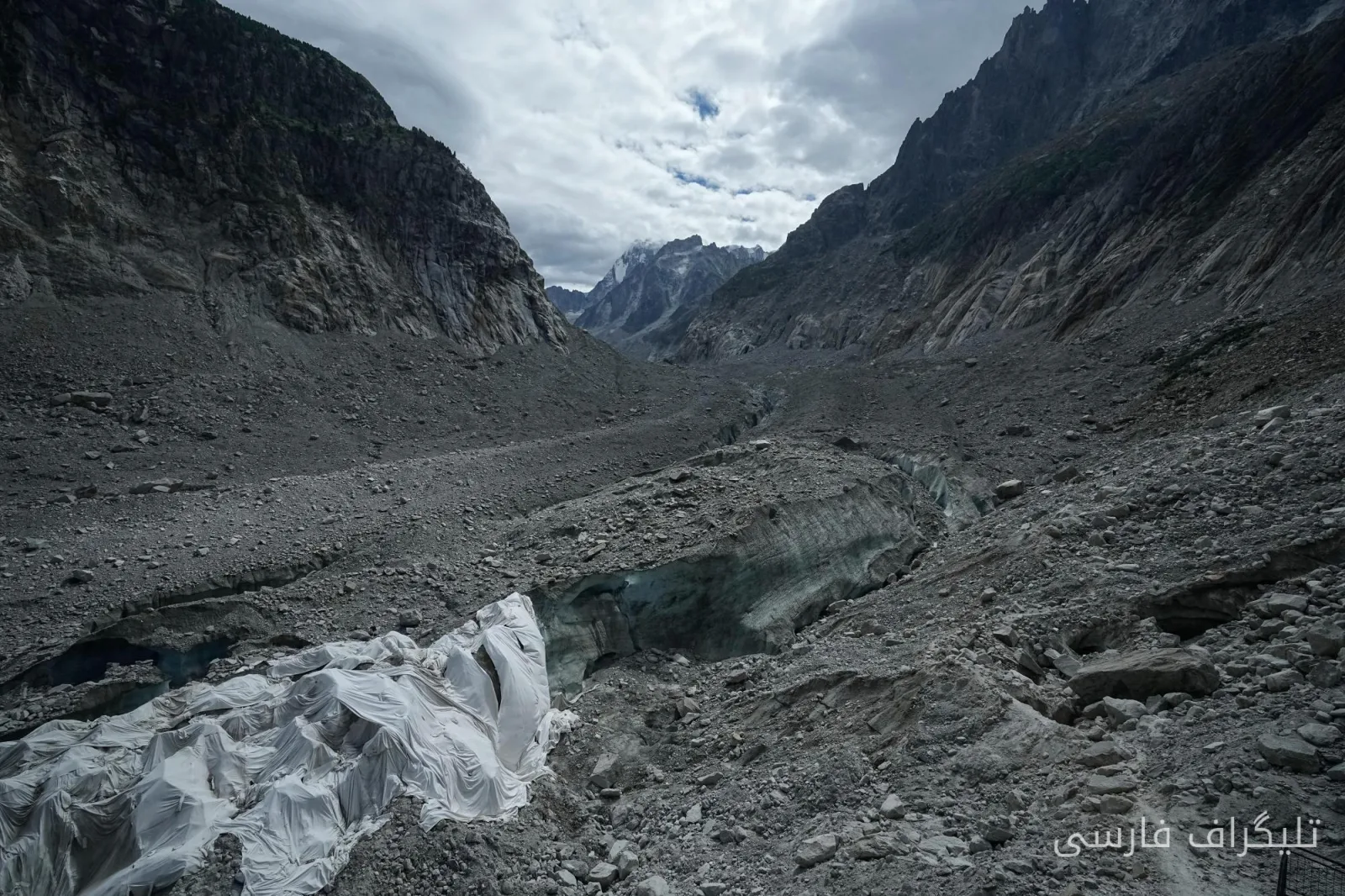
On August 26, Nepal and China witnessed destructive and devastating floods that occurred following the collapse of bedrock and glacial ice. This incident catastrophically caused the displacement of water and mud in several Himalayan rivers, endangering many lives and properties.
A Disaster in the Heart of Nature
These floods not only threatened human lives but also damaged the vital infrastructure of the affected countries. Nepal, which is always at risk of natural disasters due to its geographical location, is now facing climate change with greater intensity. Experts believe that the melting of glaciers in Nepal and neighboring areas has been the main cause of this disaster.
Climate change, recognized as a global crisis, has now revealed its true face in Nepal. This country, known as one of the most vulnerable places in the world to climate change, must now seek immediate and fundamental solutions to confront this crisis.
Challenges Ahead
Alongside the immediate damages of these floods, longer-term challenges await Nepal. Environmental experts warn that if serious and swift actions are not taken to mitigate the effects of climate change, such incidents will occur more frequently and with greater intensity in the future. Additionally, this disaster could lead to profound social and economic consequences that will ultimately result in instability in the region.
For this reason, there is a pressing need for serious attention from governments and international organizations. Nepal, as a developing country, requires global support in preventive measures and infrastructure improvement to withstand future crises.