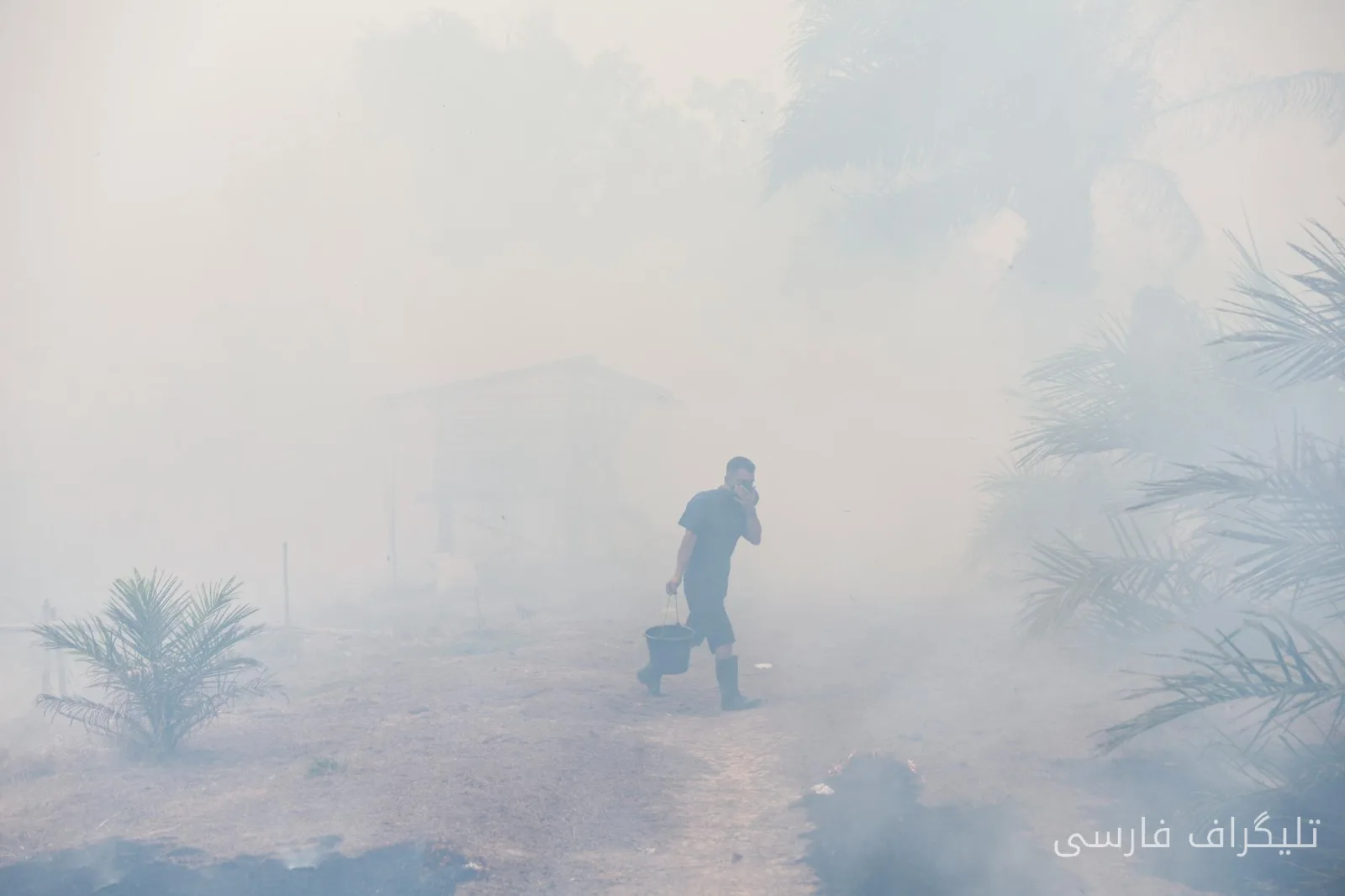
As global temperatures rise due to fossil fuels, various ecosystems including forests, wetlands, and tundras are undergoing dangerous changes. These changes not only lead to a reduction in biodiversity but can also worsen climatic conditions due to the release of greenhouse gases.
Feedback Loops and Their Dangers
Research shows that these ecosystems gradually become new sources of greenhouse gas emissions over time. For example, the melting of tundra ice can release methane, a greenhouse gas more potent than carbon dioxide. This, in turn, raises the Earth's temperature and creates a vicious cycle that leads to worsening climatic conditions.
Analyses indicate that these feedback loops can increase global warming by up to 30 percent. In other words, climate changes resulting from human activities may rebound with greater intensity, making the situation worse than it currently is.
Necessary Actions to Combat the Crisis
In light of these facts, the urgency for immediate and serious action to reduce greenhouse gas emissions is increasingly felt. Only by reducing fossil fuel consumption and relying on renewable energy sources can we prevent the occurrence of these destructive loops. If these issues are not addressed, a troubling future awaits generations to come.
Ultimately, this research once again shows that any neglect of climate change can have irreparable consequences. We must act now to save our planet.