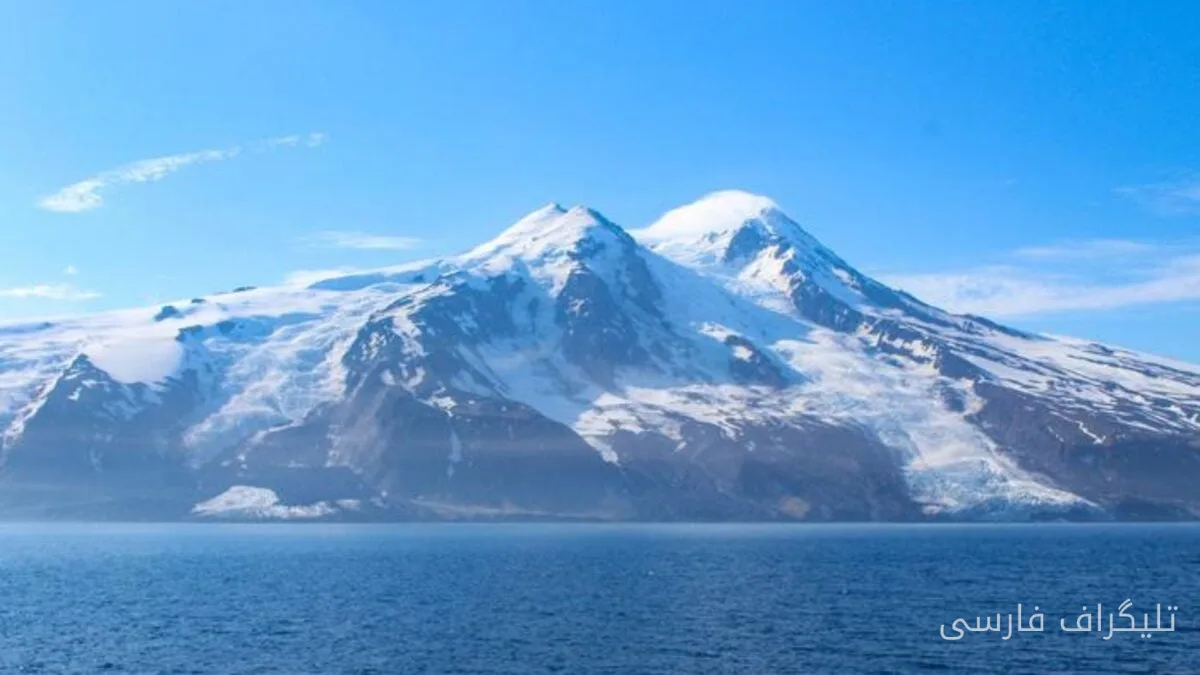
Climate change not only affects human life but also directly impacts the land and its natural structures. The recent earthquake and rockfalls on Jan Mayen Island, located near the North Pole, are a striking example of how these phenomena can become more dangerous than ever.
Temperature Changes and Increased Natural Hazards
Jan Mayen Island, which is subject to severe climate changes due to its geographical location, recently experienced a 5.5 magnitude earthquake. This earthquake led to rockfalls and posed serious risks to the residents and the environment of the area. Rising temperatures and the melting of glaciers in this region have directly affected the stability of the land and underlying structures, increasing the risk of earthquakes and other natural disasters.
Responding to New Challenges
As climate change increasingly exacerbates security and environmental challenges, there is a pressing need for planning and immediate actions to address these crises. This earthquake serves as a wake-up call for the countries involved in this region to pay more attention to the importance of environmental preservation and natural resource management. In this context, improving infrastructure and raising public awareness about potential hazards can play a crucial role in reducing damages.
Overall, climate change is having an unprecedented impact on the land and environment, and earthquakes in remote areas like Jan Mayen Island are just one sign of this reality. These events remind us that climate change is not only an environmental issue but also a serious challenge for daily life and the future of humanity.