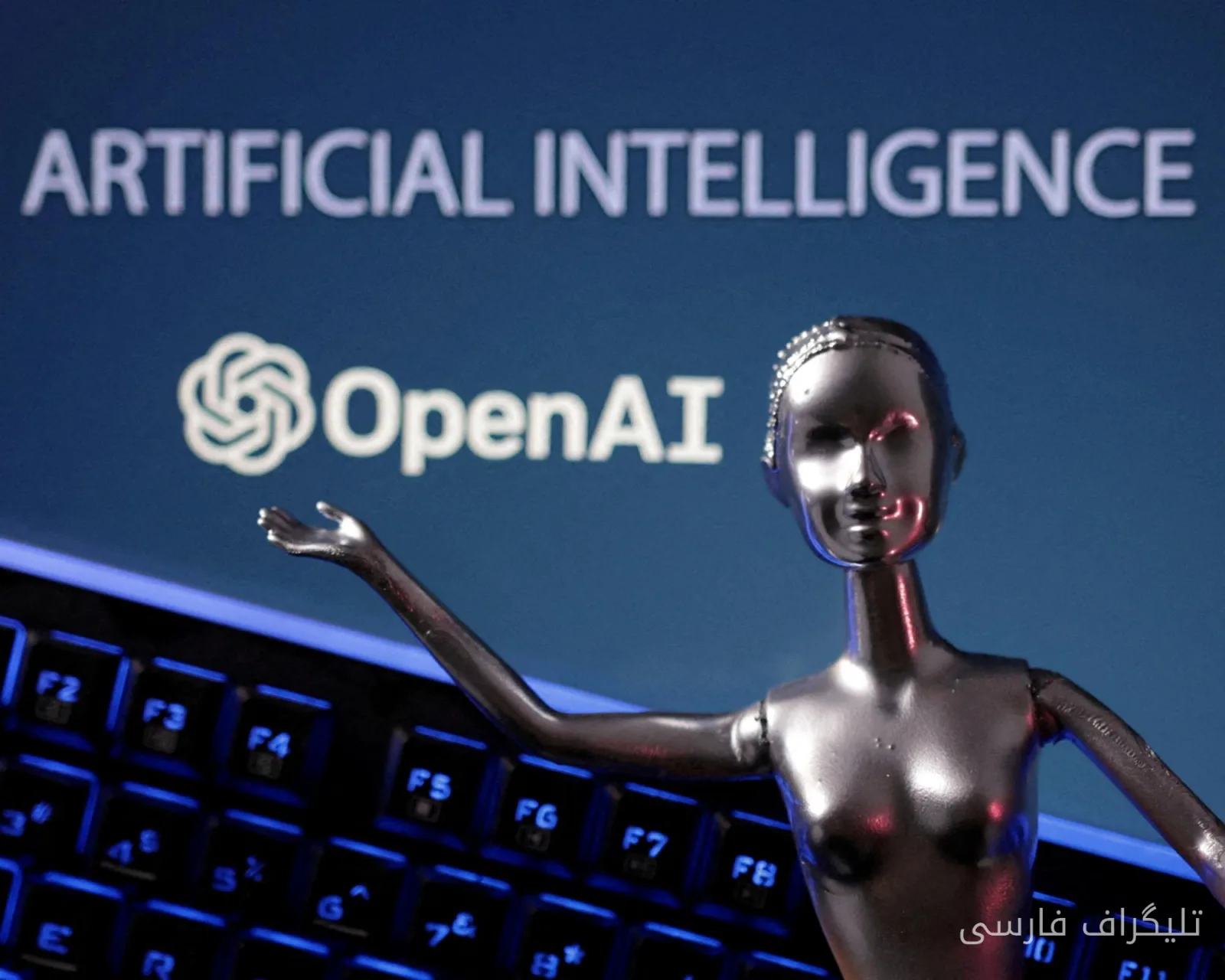
Last week left mathematicians in astonishment and wonder. OpenAI, the tech giant, drew attention by announcing that its new model succeeded in solving one of the Millennium Prize's riddles, which has captivated the minds of elites for years and carries a reward of 1 million dollars.
Rapid and Unexpected Changes
OpenAI's achievement is drastically different from the usual process of solving mathematical problems. While such challenges typically require deep thinking and years of effort, this time a private company valued at nearly one trillion dollars employed 10,000 artificial intelligence agents to automatically solve the riddle. The cost of this operation is estimated to be around 15 million dollars.
These successes have had profound implications, especially in the world of mathematics. Some mathematicians are feeling concerned about these advances and are pondering whether artificial intelligence could gradually replace human thought in this field. This is a key question that has challenged many experts and led to heated discussions in academic circles.
The Uncertain Future of Mathematics
Given the speed of recent advancements, the future of mathematics and the human role in it has come under serious scrutiny. Are we moving towards a world where machines have the ability to solve complex mathematical problems, and humans must merely observe as spectators? These questions are intensely heated and controversial, prompting mathematicians to reflect.
It seems that OpenAI, with this success, has become a milestone in the history of mathematical science. Now all eyes are on this company to see what other achievements it will bring in the future and whether this path will be beneficial for humanity or not.