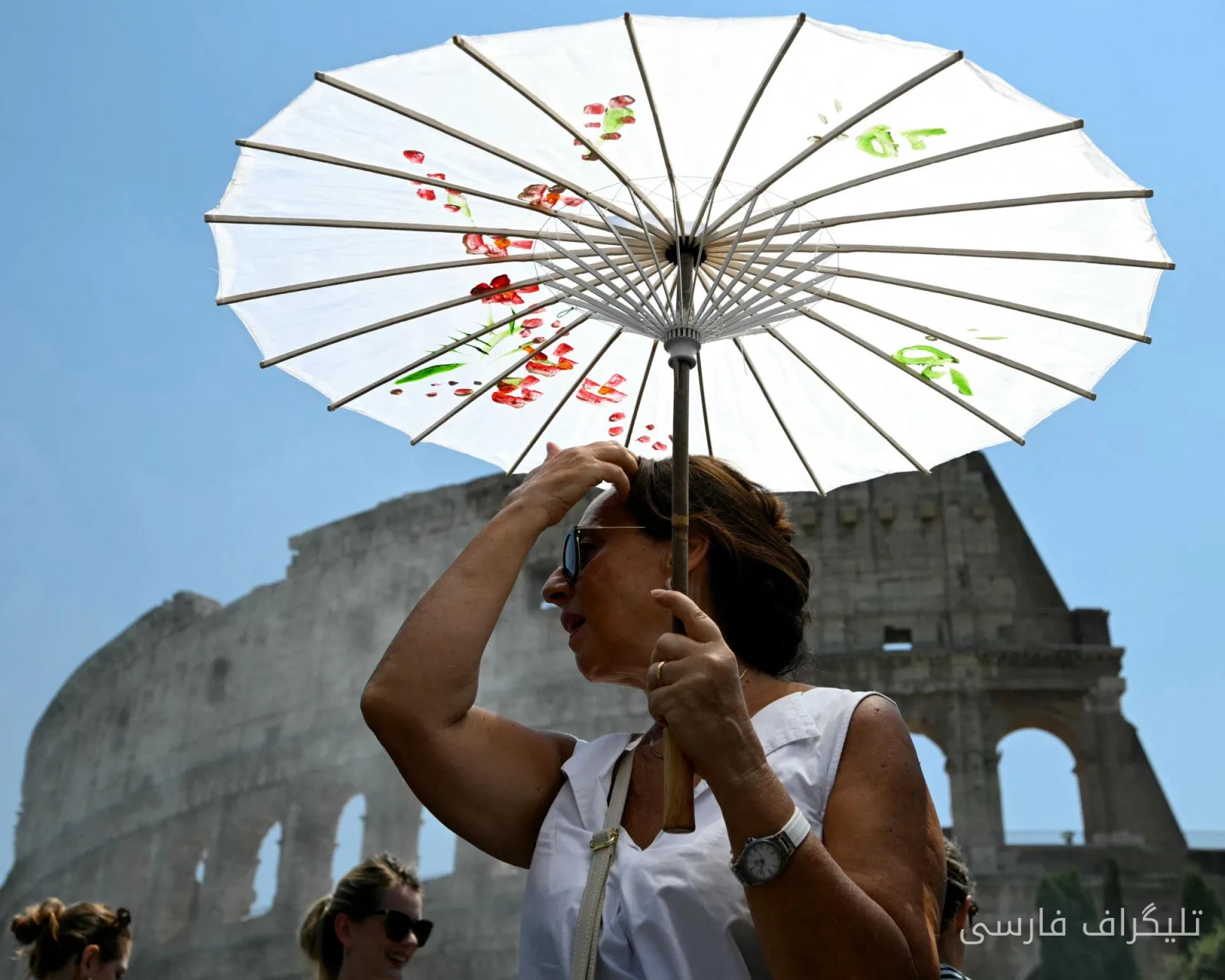
The tourist tax, a term that may be new to English travelers, has long become a common revenue-generating method in Europe. This tax, usually collected as an additional charge upon checking out of a hotel or accommodation, can be surprising for many tourists.
Revenue Generation for Municipalities
European countries, including Italy, have ended their financial crises by leveraging this tax and have secured a reliable source of income. Meanwhile, England has recently entered this arena and is trying to generate revenue in a new way. In fact, this tax allows municipalities to earn more from tourists, especially in popular areas.
In Italy, this tax is widely applied in cities like Rome, Venice, and Florence and is used as a tool to preserve tourist attractions and improve infrastructure. Given the increasing number of tourists, this tax can quickly become a key source of income.
New Challenges for Tourists
However, for tourists, encountering this tax can be frustrating. The additional costs that suddenly appear on the accommodation bill may affect the travel experience. Especially those travelers who arrive at their destination unaware of these charges may face surprise and astonishment.
Therefore, while this tax can be a blessing for Italian cities, it should be considered a new reality for tourists. Will these changes harm the travel experience, or could they lead to improved services and tourist attractions? Only time will tell the answer to this question.