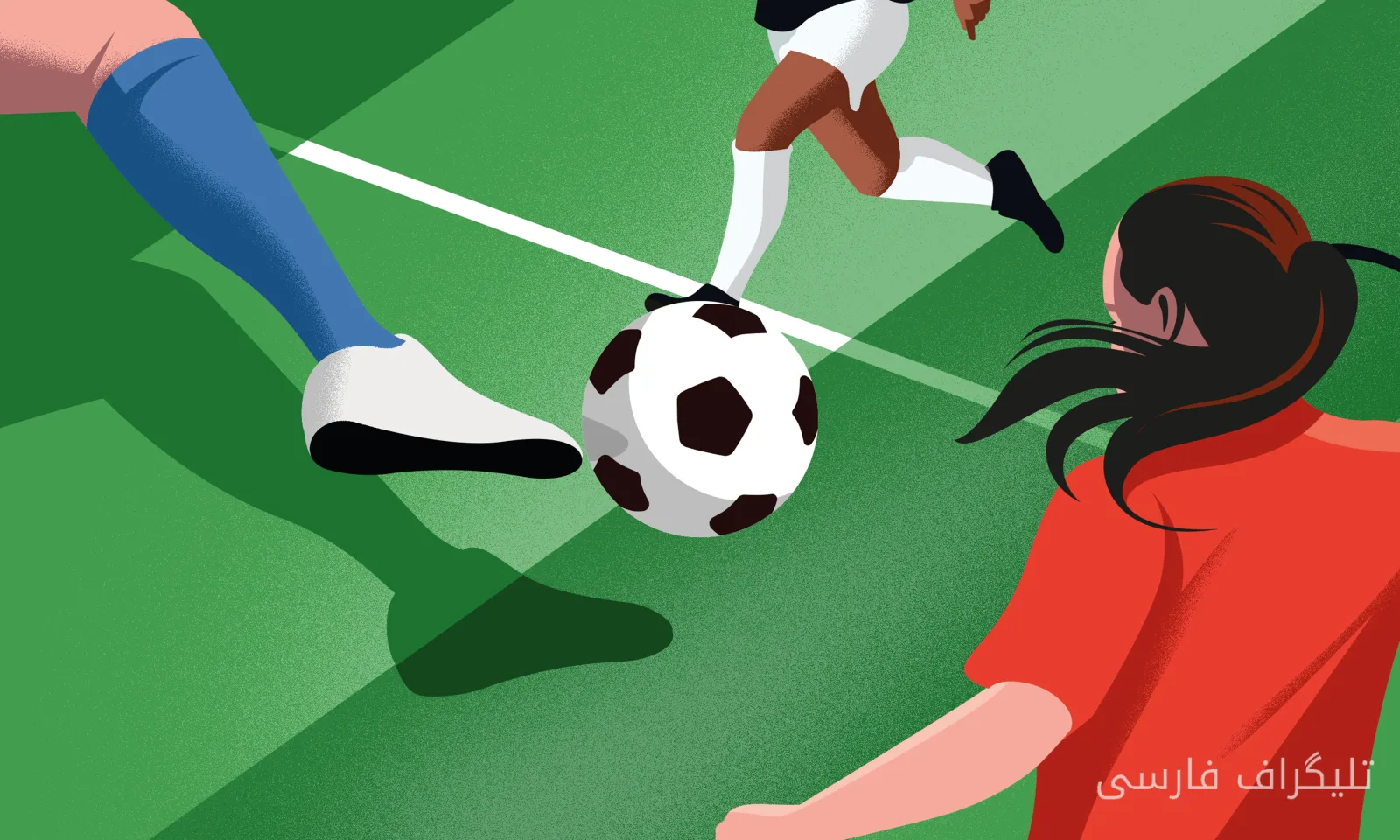
Women's football, as one of the most popular and challenging sports in the world, has faced remarkable transformations in recent years. These changes are evident not only at the competitive level but also in the attitudes and policies governing this sport. While many countries traditionally perceive football as a male sport, we are now witnessing the emergence of stars who are influential not only on the playing fields but also in the social arena.
Increased Investment and Media Attention
Significant investments in women's football, especially in prestigious leagues, indicate a shift in attitude towards this sport. Media outlets are gradually paying more attention to competitions and news related to women's football. This has helped increase the audience and fans of this sport, leading to the creation of a stronger supporter community.
Moreover, given the successes of women's national teams in international competitions, many countries are seeking to expand educational programs and develop the infrastructure for women's football. This issue, particularly in developing countries, could lead to fundamental changes in the status of women's sports.
Existing Challenges and Barriers
However, despite all these advancements, there are still many challenges and barriers. Gender discrimination continues to hinder the growth of women's football in many parts of the world. From lower wages compared to men to the lack of necessary support from federations, all indicate that there is a longer road ahead to achieve gender equality in this sport.
Ultimately, these changes represent a significant movement towards equality and respect for women in the realm of sports. Will women's football soon reach an equal status with men's football? Time will answer this question, but what is clear is that women are currently changing the game, and nothing can stop them.