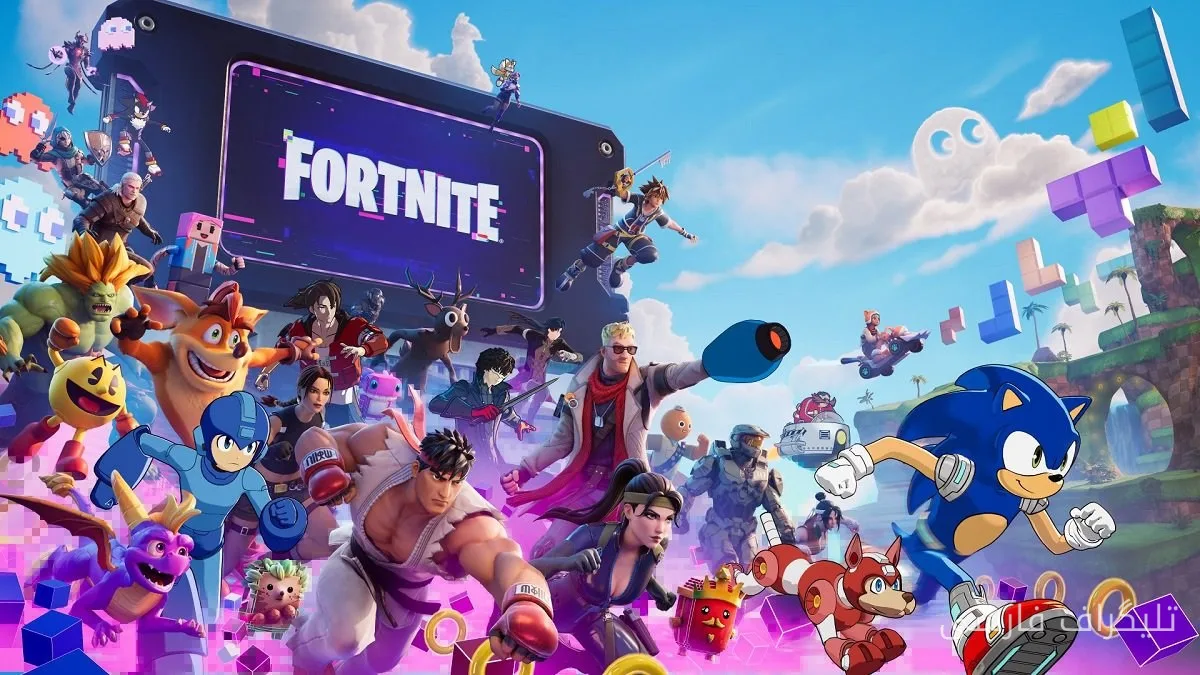
Tim Sweeney, CEO of Epic Games, believes that Fortnite is essential for growing children and opposes the proposed bans by the European Union regarding online games for this demographic. While video games are now widely accessible and popular, they continue to be criticized as a scapegoat, especially as concerns about children's safety in the online space have increased.
Challenges Facing Fortnite
Earlier this year, following plans to ban social media for teenagers, discussions arose about restricting voice chat for children in games like Fortnite. Recently, reports have emerged that the European Union may impose a blanket ban on online games for individuals under 15 years old. However, this plan has not yet been officially announced, and even if implemented, it may never come to fruition.
Read more: The Dawn of a New Era: Australia and Controversial Reforms in Social Media
According to this proposal, children aged 13 and 14 can set up "introduced" accounts that offer limited access and require parental permission. However, children aged 3 to 12 can only create accounts for services deemed child-friendly, which will be fully under parental control.
Concerns and Economic Implications
Tim Sweeney explicitly stated on social media platform X: "This will be terrible for the next generation of humanity. Today's apps and games are the brushes and wooden blocks of yesterday. Fortnite has a creative mode, and everyone can act as a digital creator, as long as politicians don’t take it away from them." These statements have sparked reactions, with some describing them as highly exaggerated and even ridiculous.
Sweeney believes that preventing Fortnite will stifle children's creativity, but the point is that Fortnite is not the only possible way to express creativity. The harsh reality is that gaming platforms like Fortnite and Roblox are not entirely child-friendly. Fortnite has come under pressure due to advertising and microtransactions and has recently faced significant criticism.
Epic Games is also looking to attract more players to Fortnite, as they claim the game is currently not profitable. Consequently, the prices of microtransactions have increased, and several employees of the company have recently been laid off. The new season of Fortnite also aims to evoke nostalgia among players by adding classic video game characters.
Ultimately, this discussion is not only related to the future of the gaming industry but also to the future of upcoming generations. Can politicians influence children's creativity and growth with their decisions?
Read more: Europe's Hot Competition with AI Giants: Attracting 3 Billion Euros! · The Need for Tax on Self-Driving Cars; We Are Concerned About Job Futures