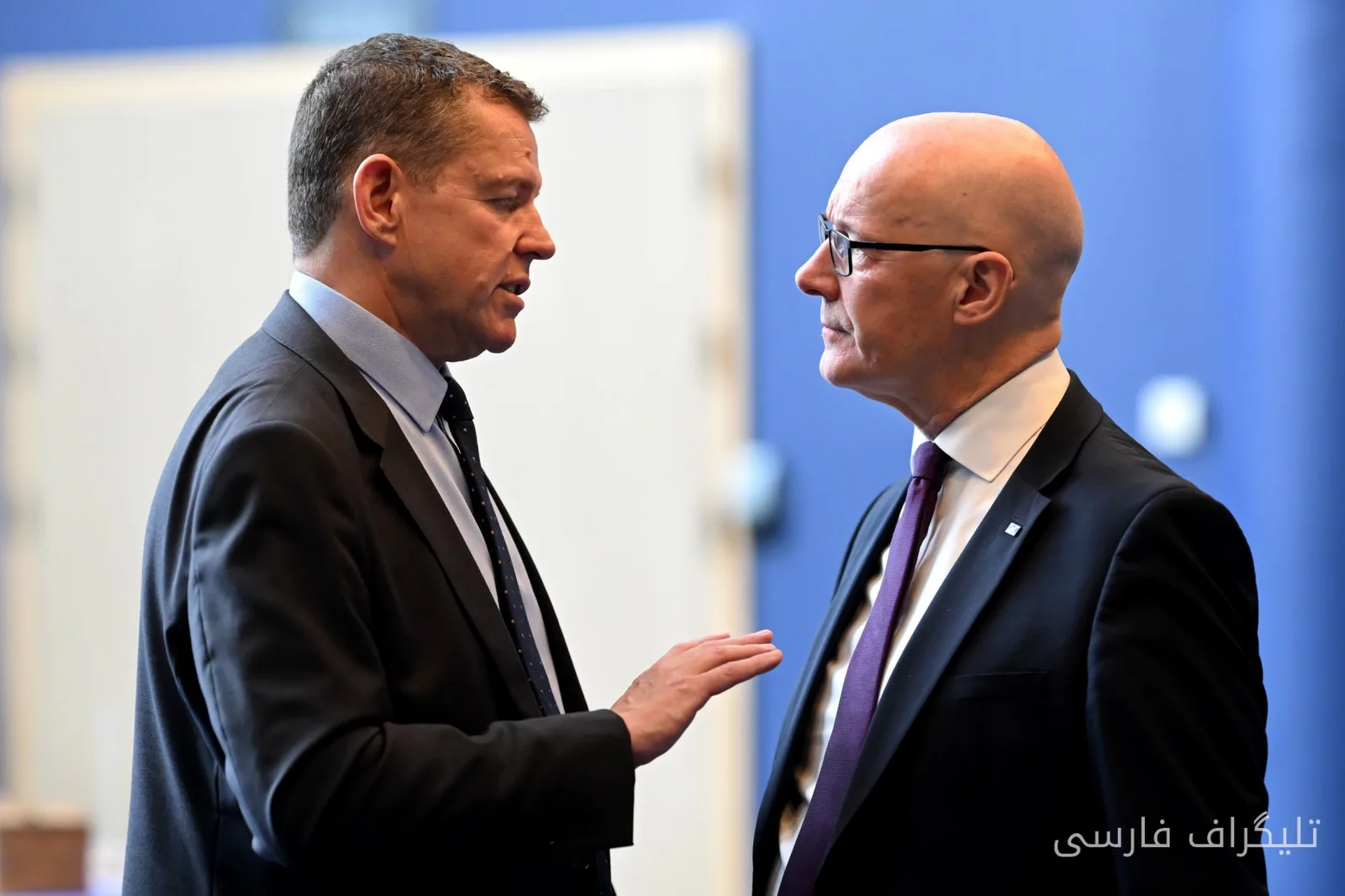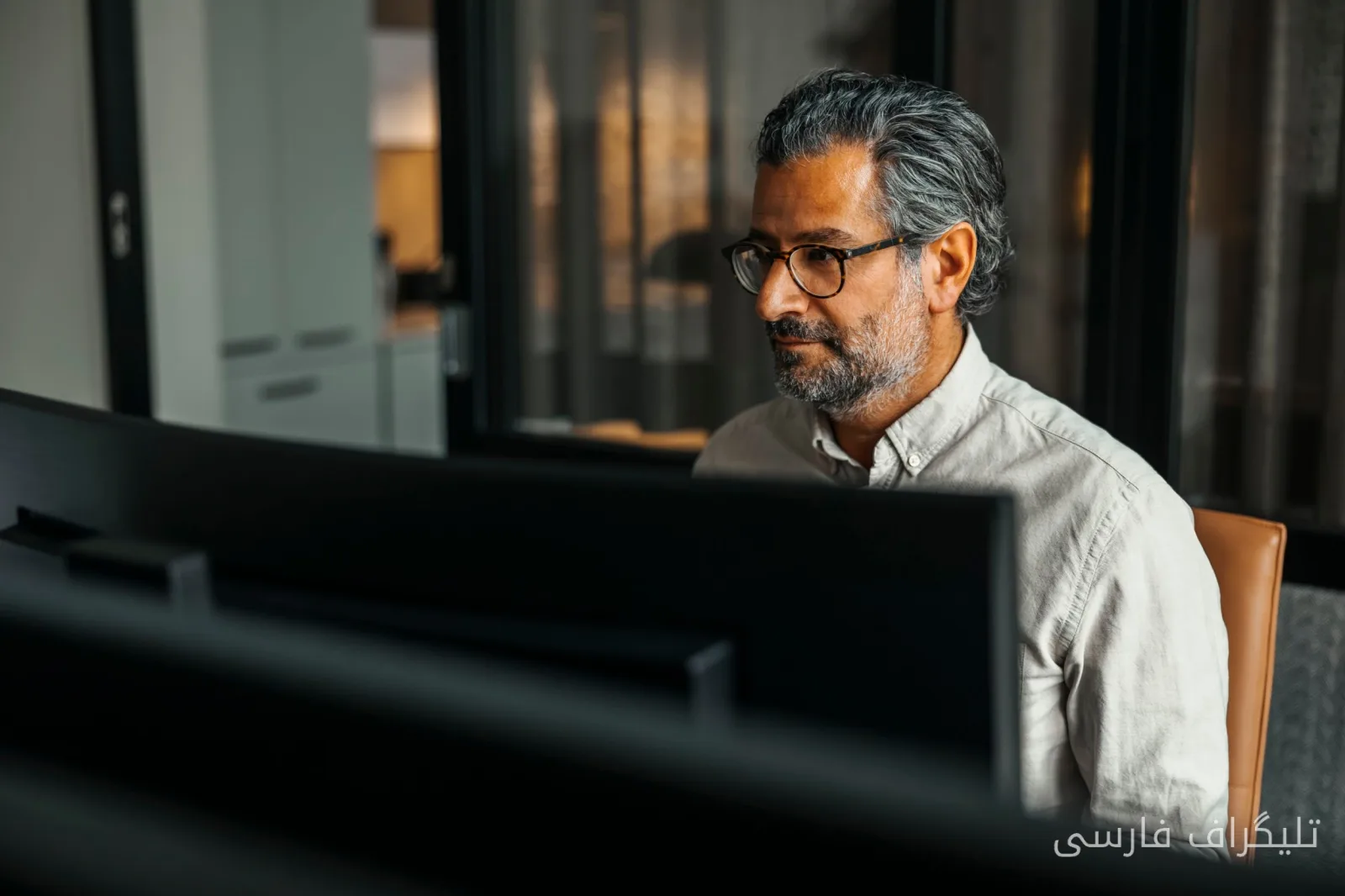
In today's work world, a phenomenon known as "pinges" is quietly becoming a major threat to office morale and productivity. Imagine trying to get your work done and instead facing a flood of instant messages from colleagues instead of face-to-face conversations. This is exactly the experience that many employees are currently facing.
Pinges: The Absent Employees
Pinges refer to those who work in the office but prefer to send everything via messages rather than engage in face-to-face conversations. Surveys show that 41 percent of employees no longer work from home, yet informal conversations and water cooler chats have not returned to their previous state. In fact, one in five employees says they do not speak to a colleague in person even once during a workday.
A study conducted on 2,000 employees in the UK shows that half of the employees use email or messaging apps to communicate with colleagues who are in the same room. This has led to 40 percent of employees feeling disconnected while sitting next to their colleagues.
Cultural and Psychological Impact
According to a leadership and workplace culture coach, this issue stems from office culture and not just individual employee behavior. The behavior of pinges can be interpreted as a sign of cultural changes in the workplace. Younger generations, who have grown up in the world of the internet and messaging apps, are increasingly present in the workplace, leading to a decline in face-to-face communications.
On the other hand, these cultural changes have negative impacts on productivity. Many employees believe that sending messages is faster, but in reality, this process takes more time to establish communication. A five-minute conversation can turn into a long chain of emails that ultimately increases stress and decreases focus.
The Role of Leaders in Changing Communication Culture
While it may be easy to identify pinges as anti-social or lazy colleagues, this behavior is heavily influenced by office culture. Leaders must clearly define when messaging is appropriate and when face-to-face conversation would be more effective. These small changes can quickly transfer to teams and improve the atmosphere of offices.