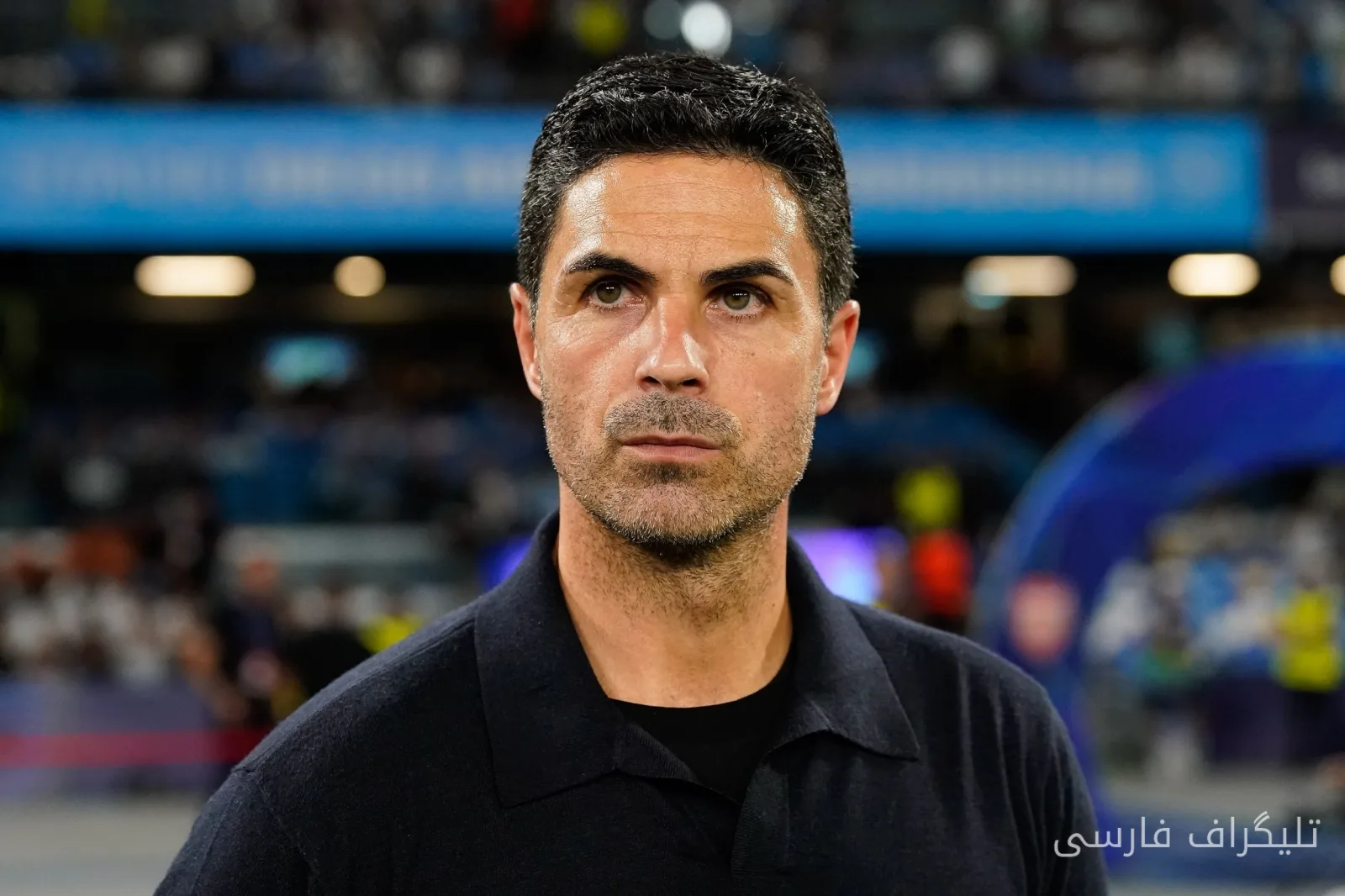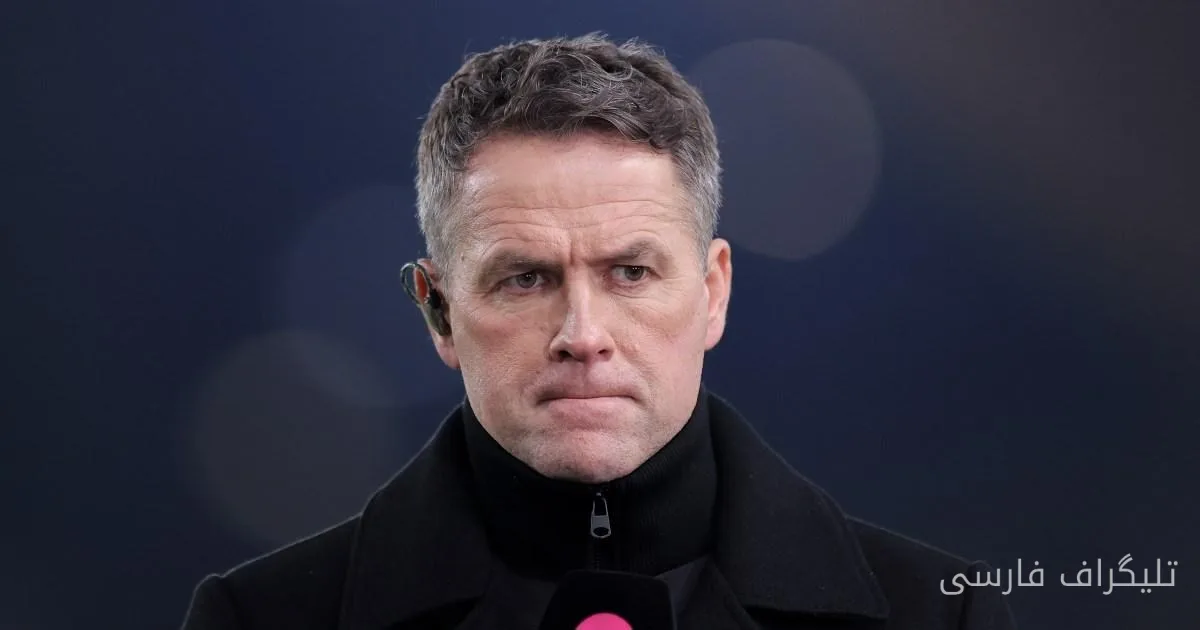
Football is always accompanied by changes, but at Manchester City, it seems these changes have become a permanent trend. While the fans of this team have become accustomed to their successive successes, the question now is whether these rapid changes in player composition are a sign of a crisis or a long-term strategy?
Continuous Replacements
In recent years, Manchester City, under the management of Maresca, has heavily focused on acquiring new players, and this is clearly reflected in the statistics. The statistics show that City has the highest player turnover rate compared to other major teams. These changes occur not only due to natural exits such as retirements or transfers of players to other teams but also due to strategic decisions made by the management and coaching staff.
Consequences of Rapid Changes
Rapid changes in the lineup can bring both advantages and challenges. On one hand, acquiring new talents can lead to increased competition and improved overall team performance. On the other hand, instability in the lineup can result in less cohesion among players and consequently a decrease in the quality of play. This issue becomes particularly significant in international competitions and prestigious leagues.
Considering these points, the future of Manchester City in the coming seasons will heavily depend on how these changes are managed. Will Maresca and his management team be able to cope with these challenges and establish the necessary stability in the team lineup? Time will answer this question, but what is certain is that every move and decision they make in the future will be closely monitored.