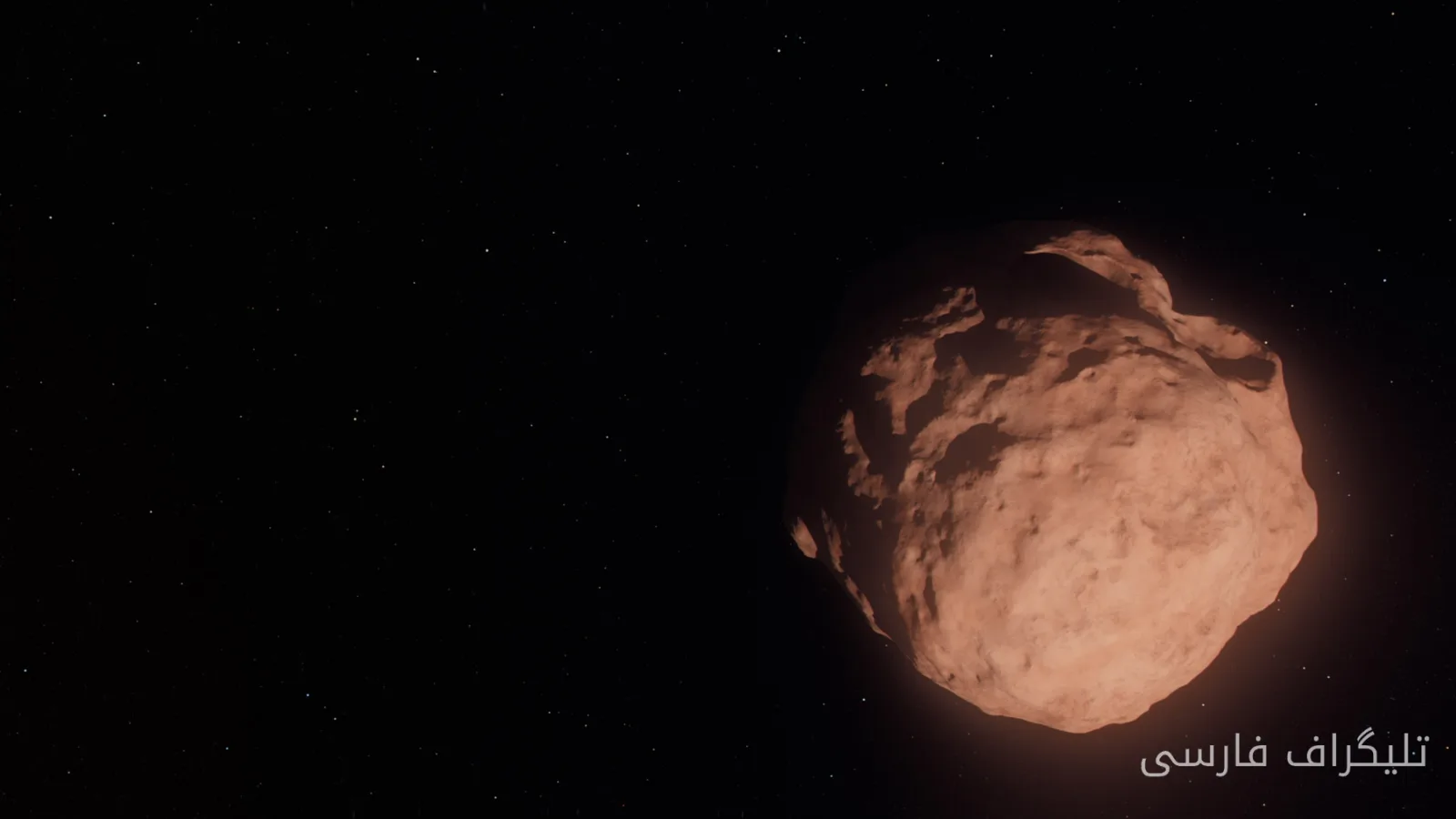
Researchers have identified 27 new mysterious objects at the edge of the solar system. This discovery was made for the first time using the combined power of the Hubble and James Webb space telescopes and focused on trans-Neptunian objects (TNOs). TNOs are small, icy bodies that orbit the Sun beyond Neptune, and some of them are among the smallest and faintest objects ever directly observed.
Analysis of Color, Composition, and Size Distribution of New Objects
In two complementary papers published in The Astronomical Journal, researchers analyzed the color, composition, and size distribution of 27 new TNOs. They unexpectedly found fewer smaller TNOs than predicted by some planet formation models. They also concluded that the colors of the smallest bodies closely match those of their larger counterparts. Most TNOs are over 100 million times fainter than objects visible to the naked eye.
Read more: Pixel 11 Pro: The Camera That Shines in Your Pocket
A Look at the Early Stages of Planet Formation
Researchers believe that these small bodies provide a glimpse into the early stages of planet formation. At this time, a disk of dust and pebbles around the young Sun began to coalesce into "planetesimals," which are the solid building blocks of future planets. In processes beyond Neptune, this process halted before these bodies could evolve into complete worlds, leaving behind a frozen population of planetesimals.
In the deepest TNO survey to date, teams led by PhD students from the University of Victoria in Canada and Northern Arizona University in Flagstaff examined the same patch of sky using both telescopes. Hubble observed the visible light from the objects, while Webb identified their infrared light. By combining observations, researchers were able to measure the colors of TNOs, providing clues about their surface compositions. They also identified their sizes and orbits.
The teams examined two populations of TNOs. The first population, the "cold" TNOs, remain relatively circular near the main plane of the solar system. In contrast, the "warm" TNOs appear to have formed between the current orbits of Uranus and Neptune and were then pushed outward. These "warm" bodies now follow very specific elliptical orbits.
Researchers expected that small TNOs in both populations would have been affected by multiple collisions. However, observations showed that the smallest bodies appear similar to their larger counterparts, indicating that collisions have not significantly altered their surfaces. One possibility is that collisions occur less frequently than expected, or that TNOs somehow retain their primordial compositions.
Read more: Andrea Marazzi Turns the Fiat Panda into the Slimmest Car in the World · Dorothea Beet, Pioneer Fossil Hunter, Recognized with a Blue Plaque