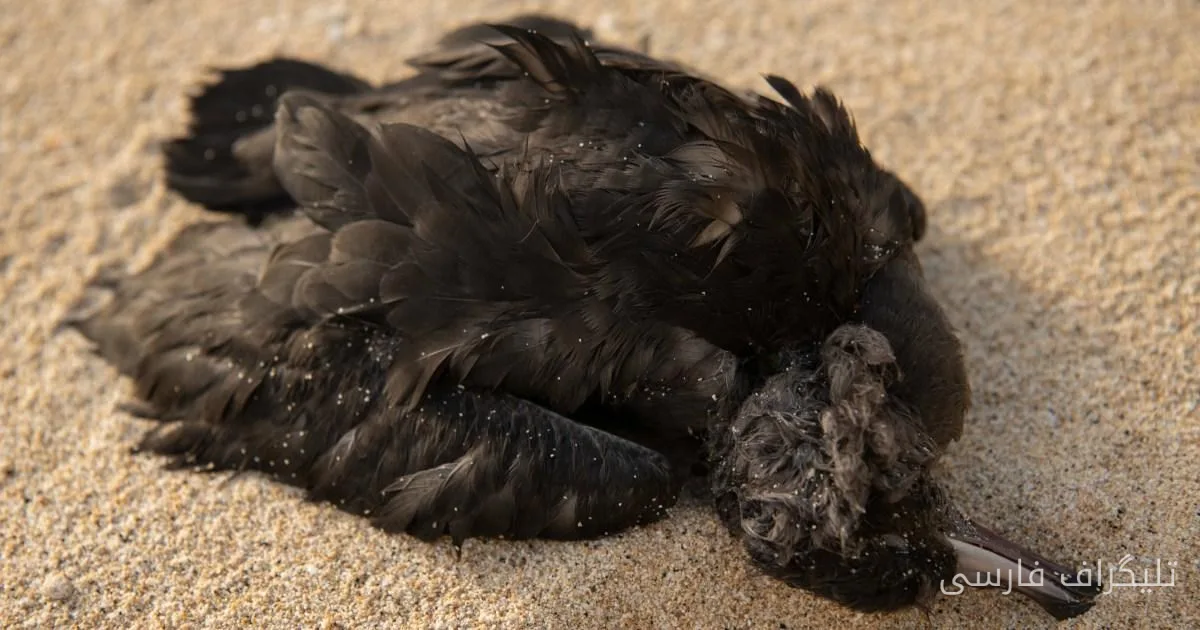
A seabird known as the sable shearwater, found on Lord Howe Island in Australia, contained 894 pieces of plastic in its body, which constitutes 15 percent of its body weight.
Increase in Plastic Pollution
This astonishing discovery was made by researchers studying wildlife on Lord Howe Island. Their research, which has been ongoing for 15 years, indicates a worrying increase in the amount of plastic ingested by seabirds. The parents of these birds often mistakenly identify floating plastics in the ocean as food and transfer them to their chicks.
Read more: Meta's forecast: A warmer and rainier autumn awaits Britain
In 2011, researchers found 276 pieces of plastic in the body of a seabird, which remained a record for over a decade. However, in 2023, this record was broken when over 400 pieces of plastic were removed from a shearwater chick.
Impacts and Need for Urgent Action
Now, records are being broken every year, and the latest discovery includes a dead sable shearwater that had 894 pieces of plastic weighing 64.2 grams in its body. For an 80-kilogram person, this is equivalent to ingesting about 12 kilograms of plastic.
Dr. Alex Bond, head of birds at the Natural History Museum and one of the authors of the study, says: "In 2012, we found a sable shearwater with 276 pieces of plastic and thought this was the worst-case scenario. Unfortunately, we were wrong. From 2023 to 2026, the record for plastic consumption by these birds has been broken every year."
These researchers emphasize that the plastic crisis continues to escalate and that necessary actions to address it are not being implemented quickly enough. They stress the need for ongoing long-term monitoring of plastic pollution and for sharing research data digitally to track changes over time.
In addition to unidentifiable pieces of plastic, researchers have recorded an increase in the ratio of resin pellets, known as nurdles, and bottle caps in the bodies of birds. They say that adopting measures to reduce plastic waste, including legislation to keep bottle caps attached to containers, will be vital in addressing this issue.
Read more: Investing in the environment: Every $1 brings $15 in profit · The destruction of poachers by elephants in Kruger National Park