Harvest mites (Neotrombicula autumnalis), known for their bright red or orange color, are currently growing and thriving in Britain. These microscopic arachnids, which live in soil, forests, and meadows, can easily attach themselves to humans and animals while walking in nature.
Life cycle and feeding of harvest mites
Harvest mites attach themselves as six-legged parasites to the bodies of humans or animals that come close to their habitat of plants and meadows, injecting digestive enzymes into the skin to break down skin cells and consume the liquefied tissue. These insects are particularly active in September and October when their eggs laid the previous year begin to hatch.
Read more: Life in a nursing home: The story of a young Dutchman and the challenges of dementia treatment
Symptoms of harvest mite bites
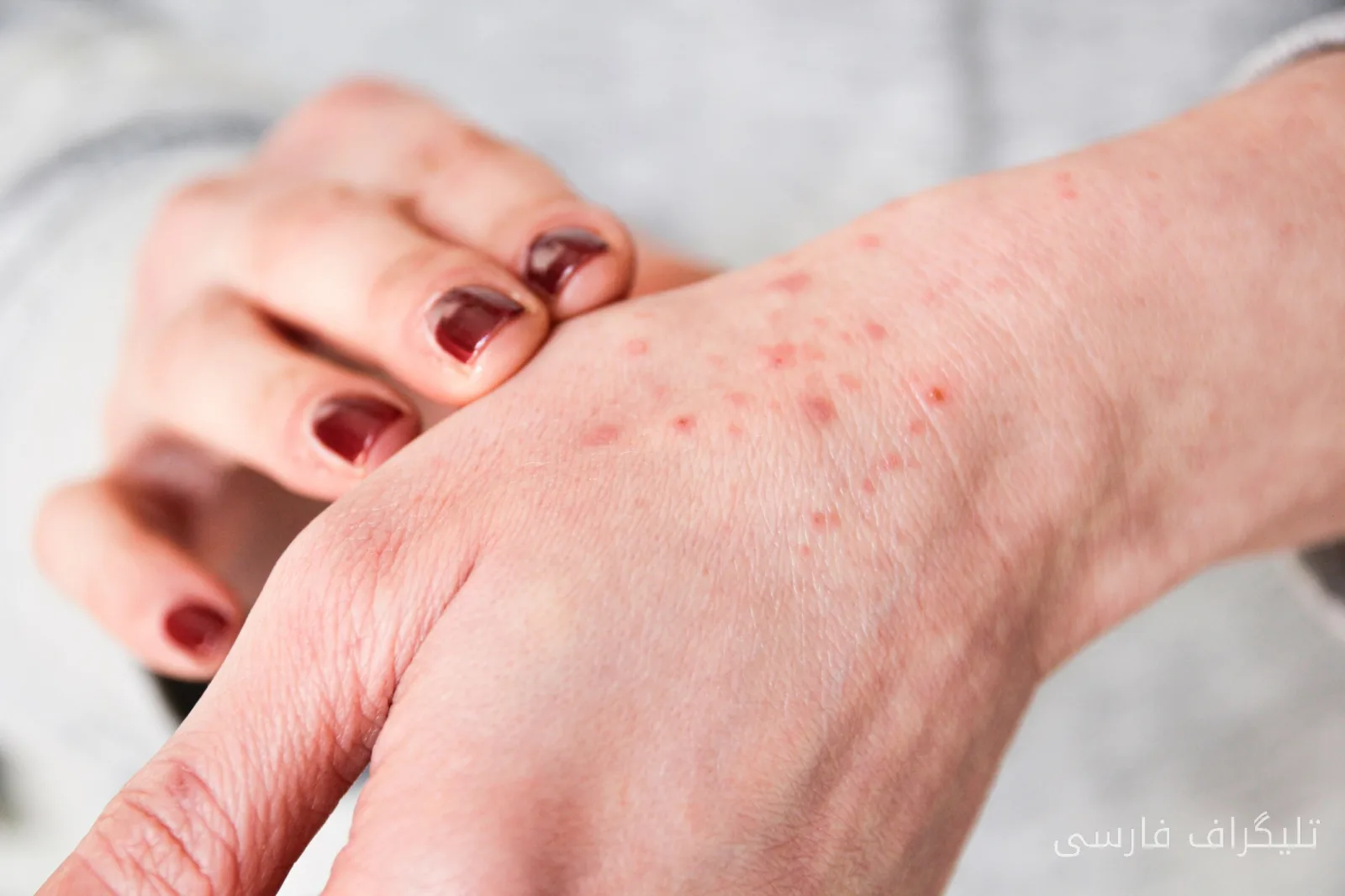
Identifying a harvest mite is difficult due to its small size (between 0.2 to 1 millimeter) and is often unnoticed until severe itching begins about 24 hours after the bite. The signs of these insect bites appear as red, itchy bumps in areas such as the lower back, ankles, and warm skin folds. This condition, known as trombiculosis, can cluster and become larger and itchier over several days.
Fortunately, harvest mites in Britain do not transmit diseases, whereas their counterparts in East Asia and the Pacific can lead to a dangerous illness known as scrub typhus.
Treatment and prevention methods
According to medical reports, red and itchy bumps usually heal on their own within one to two weeks. During this time, a shower or bath can help reduce itching. The NHS also recommends the following actions if bitten by a harvest mite:
- Applying ice to reduce inflammation and itching for at least 20 minutes
- Using antihistamines to relieve itching
- Applying hydrocortisone cream to reduce inflammation
- Avoiding scratching the bite, as it may lead to infection
Preventing harvest mite bites by covering the skin to reduce the likelihood of contact is the best strategy.
Attention to pets
Harvest mites can also be dangerous for dogs. Pet owners should pay attention to unusual behaviors such as itching, licking, or severe biting in dogs. If signs of a bite are observed, consulting a veterinarian is essential, especially if the animal shows symptoms like vomiting, diarrhea, or fever. In such cases, shampoos containing soothing ingredients can help reduce inflammation and itching.
Finally, continuing flea treatments can also help reduce the likelihood of harvest mite infestations.
Read more: AI; friend or foe to doctors? · A new danger from the sun: alarming increase in skin cancer in Britain