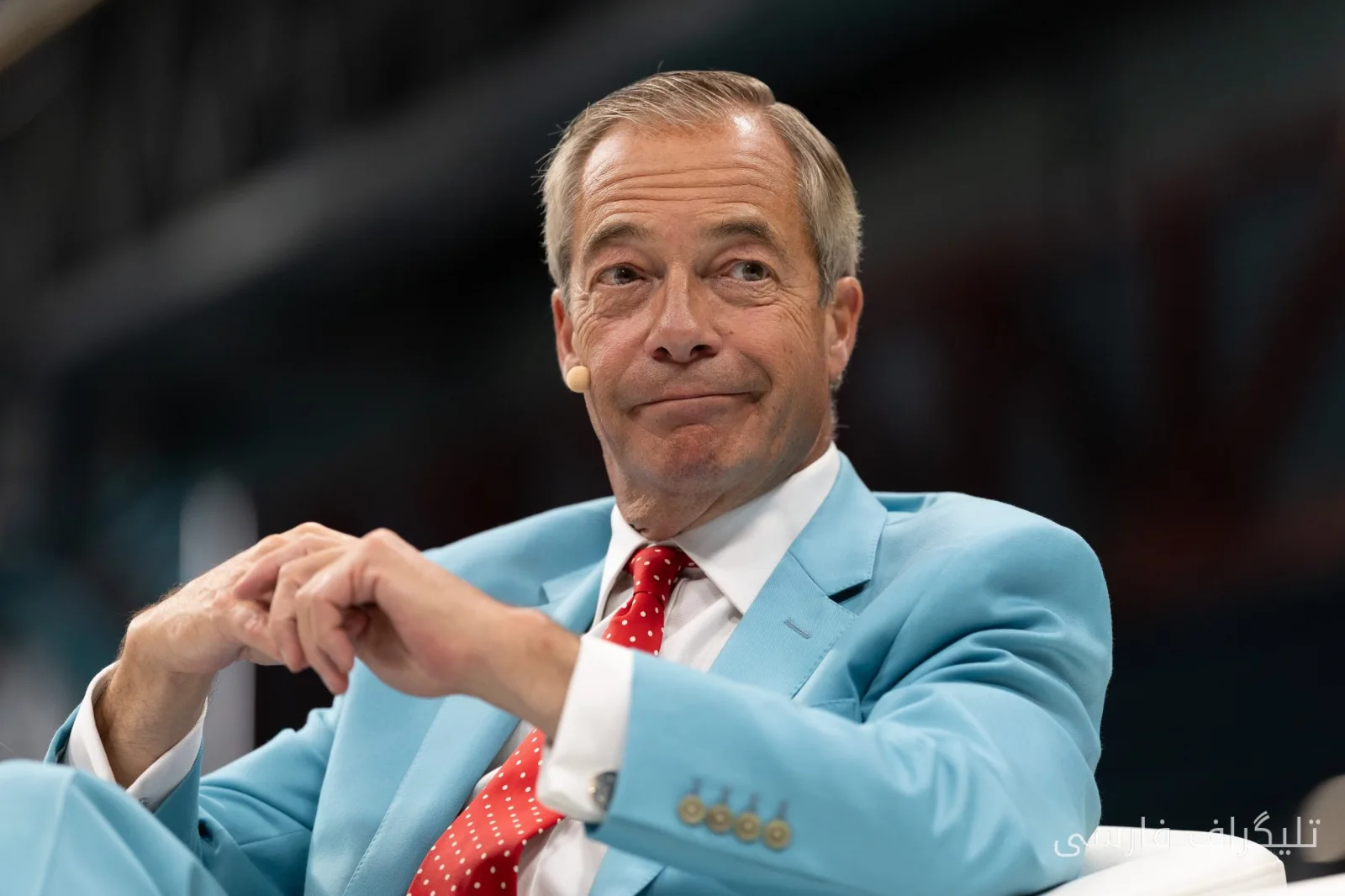
Nigel Farage has faced conflicting challenges and successes over the past two weeks. This period began especially after the Reform Party conference in Birmingham on September 3, which was introduced as an opportunity to present the party's plans in the first 100 days of power.
Crises Resulting from Revelations
On the same day, a television program aired featuring undercover journalists with fake identities posing as suspicious donors intending to help the party. This revelation led to the resignation of two senior party officials, putting Farage and his team on the defensive. With the exit from the National Exhibition Centre, it seemed that the Reform Party was in a severe crisis.
Sudden Changes in Financial Status
However, less than a week later, the situation changed dramatically. Two billionaire donors, Ben Delo and Christopher Harborne, made two donations of £36 million to the Reform Party. These contributions sparked discussions and speculations about new rules that will soon come into effect and may affect part of this funding.
Meanwhile, news emerged of the resignation of Dan Thomas, the leader of the Reform Party in Wales, who stepped down after being arrested on misconduct charges. This issue recalls an unpleasant past for the party, as Nathan Gill, the previous leader in Wales, went to prison for bribery-related offenses.
While the Reform Party grapples with internal challenges, there are also reports of Sarah Cooper-Lesed, a member of the Welsh Senedd, leaving the party for Plaid Cymru. These developments, along with the resignation of three advisors in Durham, have added to the party's troubles.
However, despite these crises, polls indicate that the Reform Party remains close to the Labour Party. According to experts, dissatisfaction with the political system and perceptions of inequalities continue to be major factors supporting the Reform Party.
Despite the severe fluctuations over these two weeks, it remains to be seen where the party's status will be in the next two weeks.